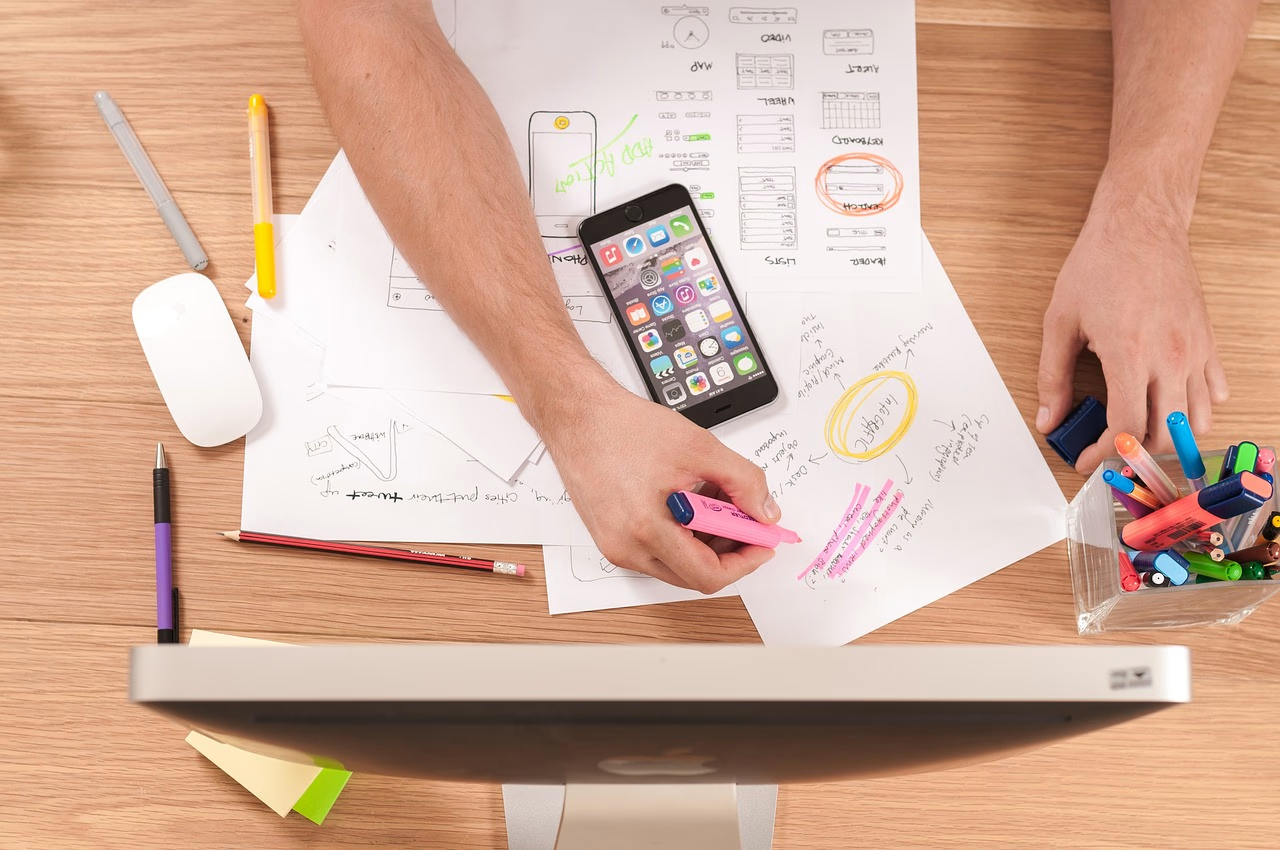
Creative web design is one of those things you only really notice when it’s done badly - or when it’s done exceptionally well. Most companies sit somewhere in between, trying to balance aesthetics with usability, brand identity with actual performance. The interesting part is how differently each team approaches that balance.
Some firms lean heavily into visual storytelling, treating websites almost like interactive campaigns. Others stay closer to structure and clarity, focusing on how people move through a page and what they do next. And then there are those that try to connect both sides, where design decisions are tied to user behavior, business goals, and the way a product evolves over time.

At Gilzor, we tend to approach creative web design as part of the product itself. A lot of the work starts earlier than expected - while the idea is still being shaped or when the structure of the product is not fully clear. That’s where design decisions actually matter more, because they influence how users move through the product later, what feels obvious, and what ends up confusing. We usually connect UI and UX choices to real scenarios, not just visual preference.
As projects move forward, we work across both design and development, so the visual side doesn’t drift away from how the product behaves. For example, in web platforms or e-commerce builds, we often adjust layouts and flows based on how users interact with features, not just how they look on screen. There’s also a practical side to it - things like load speed, accessibility, and structure are treated as part of design, not technical afterthoughts.


iCandy Design approaches creative web design as part of a wider marketing setup. They tend to spend time early on understanding how a business presents itself, what makes it different, and how that should translate visually. That shows up in small details - font choices, spacing, colour consistency - things that are easy to overlook but shape how a site feels when someone lands on it for the first time.
Their work usually combines design with structure and technical setup, so the website is not just visually consistent but also usable day to day. iCandy Design builds sites with CMS control in mind, which makes it easier for teams to update content without breaking layouts. They also put effort into how pages connect to each other - for example, landing pages, core service pages, and integrations are treated as part of one system rather than separate pieces.

Creative Web Design Experts work across a wide range of design tasks, from full websites to smaller visual elements like banners or email templates. Their approach leans more toward covering different formats rather than focusing on one type of product. That means a company might come to them for a website and end up aligning other design pieces around the same look, including social media or campaign assets.
They also put a lot of attention into responsive layouts and UI patterns, especially for websites that need to work across many screen sizes. It’s the kind of setup where flexibility matters more than strict design rules. Creative Web Design Experts often combine visual elements like typography, icons, and imagery with interaction layers, so the final result feels complete rather than assembled from separate parts.

KOTA tends to approach creative web design from a brand-first angle. Their projects often start with how a brand should feel online, and then the website is built around that idea. That can lead to more expressive layouts or unusual interactions, especially for companies that want to stand out rather than follow typical design patterns.
At the same time, KOTA keeps a close link between design and usability. Even when the visual side is quite bold, they still shape user flows so people can move through the site without friction. In some cases, that means adjusting how content is structured or how pages transition, not just how they look. Their work also reflects ongoing changes - campaigns, updates, or new sections are expected, so the design is built to adapt instead of staying fixed.
CreativeWeb is a London-based agency that focuses on building custom websites with a strong visual layer and interactive elements. Their projects often lean toward bespoke builds rather than templates, which gives them more room to shape how a site behaves and looks at the same time. They tend to break the process into clear stages - planning, design, development, and testing - so clients can see how ideas turn into actual pages step by step, not all at once.
In terms of creative web design, CreativeWeb seems to put a lot of attention on interactivity and structure working together. For example, animated elements and transitions are not added randomly but introduced during development once the core layout is already defined. They also work with CMS setups like WordPress, which makes it easier to manage content after launch without losing the original design logic.

Passionate approaches creative web design as a mix of visual decisions and measurable outcomes. Their content suggests that a lot of attention goes into how users behave on a site - where they click, how they move between sections, and what makes them leave. That leads to design choices that are less about decoration and more about guiding actions, even if the interface looks quite polished on the surface.
They also work across different platforms and setups, which affects how design is handled. For example, a Webflow landing page might be built for fast iteration and testing, while an e-commerce site would focus more on product discovery and checkout flow. Passionate often connects creative design with things like A/B testing or personalization, so layouts and visuals can change over time instead of staying fixed after launch.

Think Creative works with web design as part of a broader build process that includes development, integrations, and ongoing support. Their projects range from smaller brochure-style sites to more complex web applications, so the design approach shifts depending on what the product needs to do. In simpler cases, it might be about presenting a brand clearly, while larger builds involve structuring dashboards, user areas, or connected systems.
They also place emphasis on making designs usable in practice, not just visually consistent. Think Creative often uses CMS platforms like WordPress or Shopify, which means layouts need to hold up when content changes regularly. Their process includes stages like defining user journeys and building wireframes before moving into visuals, which helps avoid reworking designs later.

Clap Creative works with web design as part of a broader mix of development and marketing tasks. Their process follows a fairly structured path - starting with scope and discovery, then moving through design and development before testing and launch.
When it comes to creative web design, Clap Creative leans toward practical usability with some visual flexibility. They focus on navigation, responsiveness, and how the site performs across devices, which often matters more than overly complex visuals. At the same time, they include UI and UX adjustments during development, not just at the design stage, so layouts can shift based on how the product actually takes shape.

Page Creative comes from a branding-first background. A lot of their work starts with identity - how a brand looks, sounds, and presents itself - before moving into website layouts. That can lead to websites that feel like an extension of packaging, campaigns, or print materials rather than a separate digital piece.
Their creative web design work is often tied to ongoing projects rather than one-off builds. For example, a company might come in for a rebrand and continue working with Page Creative on website updates, social assets, or campaign visuals.

Web Design London focuses on bespoke web design with a noticeable emphasis on industries where presentation and trust matter. Their projects often start with a discovery phase that looks at business goals and audience expectations, which then shapes how the site is structured. In those sectors, design choices tend to be more restrained - clear layouts, structured content, and a professional tone rather than experimental visuals.
They also combine branding and web design quite closely, especially for companies that need to refine how they present themselves online. Web Design London often works on both identity and website at the same time, which helps keep things consistent. In practice, that might mean aligning typography, colour systems, and page layouts with how a company communicates in presentations or pitch materials.

Ketchup approaches creative web design with a mix of strategy and content thinking. They tend to spend time upfront understanding how a brand communicates, including tone of voice and messaging, not just layout. That often shows up in how pages are structured.
They also connect design closely with SEO and performance from the start. Ketchup doesn’t treat copy, UX, and layout as separate layers, which can make the final result feel more consistent across pages. In practice, this might mean adjusting content and design together so that the site works both for users and search engines.

Lazarev.agency works with creative web design in a more product-focused way, especially for platforms that involve data, AI, or complex user flows. Their process leans heavily on research and user behavior, which affects how interfaces are structured rather than just how they look. They deal with tools or systems where clarity matters more than visual experimentation, so design decisions are often tied to making interactions easier to understand.
They also bring AI elements into design when it makes sense, particularly for personalization or adaptive interfaces. That can show up in features like dynamic content or predictive interactions, depending on the product. Lazarev.agency tends to build design systems that scale, so instead of creating one-off pages, they focus on reusable components that can evolve with the product over time.
CreativeWEB operates as a design studio that covers web, print, and multimedia work, which influences how they approach creative web design. Their websites often reflect that broader background, with elements like motion graphics or visual presentations included alongside standard layouts. In some cases, projects start from a simple idea or rough concept and gradually turn into a full site, with design evolving along the way rather than being fully defined at the start.
They also work across a range of platforms and formats, including e-commerce systems and content-managed websites. That means designs need to stay flexible, especially for businesses that update products or content frequently. CreativeWEB often combines visual design with practical features like navigation and usability, aiming for something that works day to day rather than just looking polished in static form.
The Web Factory focuses on building custom websites that follow a fairly straightforward structure - understand the client’s idea, shape the design around it, and make sure it works across devices. Their approach to creative web design is more about adapting to different types of businesses rather than pushing a single design style.
They also work a lot with common platforms like WordPress and Shopify, which influences how designs are built. Instead of overly experimental layouts, their sites tend to stay practical, with clear navigation and familiar structures. The Web Factory often combines design with ongoing support, so the website is expected to evolve over time rather than stay fixed after launch.
Creative Webdesign works with a mix of website design, hosting, and business tools, which shapes how they approach creative web design. A lot of their projects are tied to specific needs like lead generation or real estate platforms, so design decisions often connect directly to how users interact with listings, forms, or payment systems.
They also provide integrated setups where the website is part of a larger system, including IDX feeds, email services, or marketing tools. Creative Webdesign often handles both the initial build and ongoing updates, which means layouts are designed to stay manageable over time. For example, real estate websites need regular data updates, so the design has to support that without constant redesign work.

Big Drop approaches creative web design through a structured process that starts with research and planning before moving into visuals. Their work often begins with understanding a company’s industry and audience, which then influences how the site is organised. This tends to result in designs that are closely tied to business goals, rather than just visual direction.
They also involve clients throughout the process, especially when defining content and layout. Big Drop’s creative web design work often includes building out user journeys and mapping how information is presented across pages. What means simplifying complex services into clearer sections or adjusting content placement so it’s easier to navigate. The visual side still matters, but it is usually built on top of a structured foundation.

ArtVersion works with creative web design as a mix of branding, structure, and technical execution. Their projects often start with defining how a brand should communicate visually, then translating that into a website that feels consistent across pages. That includes decisions around layout, navigation, and interaction, not just visual styling.
They also take a platform-neutral approach, which means the design is not tied to a single system from the start. ArtVersion selects tools like WordPress or Drupal depending on what the project needs long term. Their creative web design work often includes accessibility considerations and structured layouts, so the site remains usable across devices and user groups.

Baunfire positions web design as part of a broader digital workflow that includes strategy, UX, and development. Their projects often revolve around building marketing websites for tech companies and startups, where design needs to support both brand presentation and lead generation.
They also work closely across design and development teams, which helps keep the creative side aligned with how the site actually functions. Baunfire tends to approach creative web design through interaction and flow - how users move through content, where they engage, and what actions they take.
Biondo Creative approaches creative web design with a noticeable focus on user behavior and how people interact with websites. Their work often includes applying established UX principles rather than relying on purely visual ideas.
They also combine design with technical integrations, including CRM systems, analytics tools, and content management platforms like WordPress. Biondo Creative tends to build sites that are easy to update and manage, which is useful for teams that need to make frequent changes. Their creative web design work usually balances visual clarity with functionality, keeping the interface straightforward while still aligned with the brand.
InCreativeWeb works with creative web design across both visual and technical layers, often handling the full path from initial wireframes to finished pages. Their process usually starts with structuring the layout and user flow, then moving into responsive design and front-end implementation. This means design decisions are closely tied to how the site will actually behave once it’s live.
They also spend time on smaller but practical elements like image optimization, theme customization, and layout adjustments for different screen sizes. InCreativeWeb often works with WordPress setups and landing pages, where consistency and ease of use matter more than complex visuals. Their creative web design work tends to stay clean and functional, with some added animation or effects where it supports the user experience rather than distracting from it.
Creative web design tends to reveal itself not in how a site looks at first glance, but in how it holds up once people start using it. Across different companies, the approaches vary - some start with branding, others with structure or performance - but the stronger projects usually connect those pieces early. Design, content, and functionality aren’t treated as separate layers, which makes the final result feel more stable and easier to work with over time.
It also becomes clear that creativity isn’t always about doing something visually loud. In many cases, it’s about making better decisions - simplifying where needed, guiding users more clearly, or building something that can adapt as the business changes. Different teams get there in different ways, but the ones that balance visual ideas with practical use tend to leave a more lasting impression.