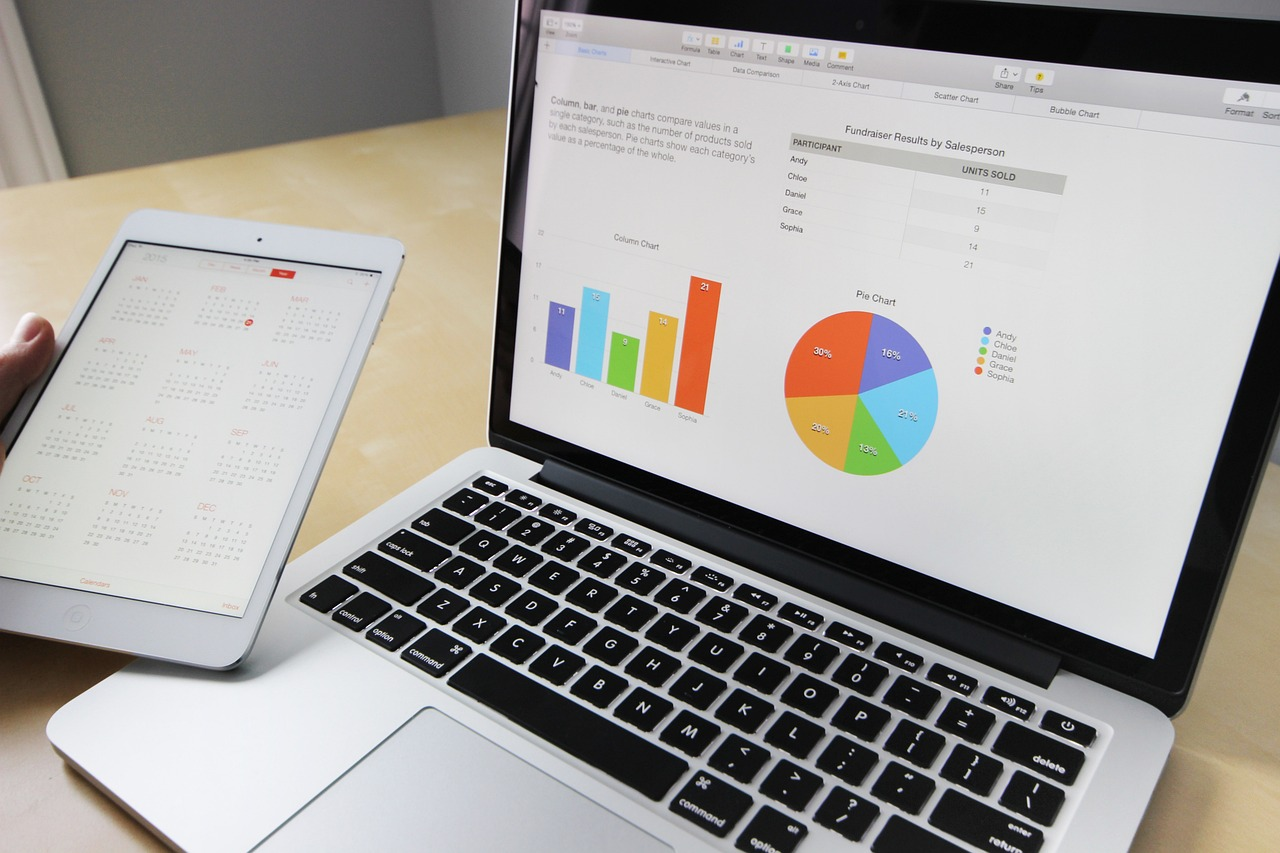
Responsive web design isn’t just about making sure a site “fits” on a phone anymore. It affects how pages load, how content shifts, and whether using a site feels smooth or frustrating when someone moves from laptop to tablet to mobile. It’s structural. When done properly, you don’t notice it. When it’s rushed, you definitely do.
The companies below treat responsiveness as part of the build itself, not something patched in at the end. Some work with early-stage products. Others step in when an existing platform starts to feel dated or unstable. Different contexts, same idea - layout, speed, and usability have to work together from the beginning.

Gilzor is a custom software development company, and we provide responsive web design services as part of our web development practice. We build websites and web applications that adjust to different screen sizes without losing structure or usability. Work usually begins with clarifying the product goals and user flow, then shaping layouts that behave consistently across desktop, tablet, and mobile devices.
We treat responsive design as part of the foundation, not as a visual layer added later. Layout, speed, accessibility, and back end logic are aligned from the start. Alongside responsive builds, we handle performance tuning and post launch support so the product remains stable as traffic and features grow.


Promodex Agency approaches responsive web design as part of a broader web design and development practice. Projects range from landing pages to ecommerce platforms and custom portals. Instead of building separate mobile versions, the agency focuses on one flexible layout that adjusts naturally across screen sizes.
Work typically moves through planning, interface design, development, and launch. Many projects involve integrating payment systems, CRM platforms, or other operational tools. Responsive structure is considered early, so navigation and content blocks remain usable whether viewed on a large monitor or a small phone screen.

UX 4Sight delivers responsive web design with a strong emphasis on user experience. Layouts are built using flexible grids and structured systems that adapt across desktops, tablets, and smartphones. The idea isn’t to shrink a desktop version for mobile, but to design a unified system that works everywhere.
The process usually includes research, wireframes, prototypes, and testing before full implementation. Attention goes to how people move through content on different devices, not just how the layout resizes. Accessibility and performance are part of that conversation as well.

Evince Development includes responsive web design within its broader web and software development services. A mobile-first approach often guides projects, with layouts adapted using modern front-end technologies. Responsive behavior is integrated directly into development rather than layered on later.
Projects follow a structured workflow - research, wireframing, design, development, testing, deployment. Responsive layouts are aligned with usability and performance goals so the site behaves reliably across devices. Work spans multiple industries where cross-device access is simply expected.

Spinutech offers responsive web design as part of its broader web design practice. The goal is to build websites that adjust smoothly across desktop, tablet, and smartphone screens without losing structure or usability. Responsive design is considered alongside performance and conversion factors from the beginning.
Design and development are handled together, which helps keep layout decisions consistent with technical realities. Responsive structure is treated as a baseline requirement rather than an optional feature. Navigation, content blocks, and interactions are planned to remain stable across devices.

Digital Roots Media provides responsive web design aimed at creating websites that function across multiple screen sizes without maintaining separate mobile versions. One adaptable layout is the standard approach. Attention goes to accessibility and navigation clarity on smartphones, tablets, and desktops.
Projects often include cross-device testing before launch to confirm layout stability. Responsive design is also connected to SEO and user experience, especially in how menus behave and how content resizes on smaller screens. Work ranges from small business websites to ecommerce platforms.

Merehead delivers responsive web design as part of broader web development projects. Layouts are built to adapt to different screen sizes and orientations while keeping navigation readable and content structured. The approach centers on maintaining one flexible website rather than managing separate versions.
The process typically includes layout planning, device-specific mockups, development, and testing. Attention is given to how users behave on different devices, since interactions often vary between mobile and desktop. Button sizes, menu visibility, and content density are adjusted to keep the experience usable across screens.

Appnovation includes responsive web design as part of its wider digital delivery work. The focus is straightforward - build one website that behaves properly on desktop, tablet, and phone, instead of juggling separate versions. Projects usually combine front-end development with UX and UI design, so layout and interaction patterns are shaped together rather than in isolation.
Delivery often follows an agile rhythm, with regular feedback loops during development. Responsive layouts are built using standard web technologies and adapted to platforms like Drupal, Laravel, or HTML5-based environments. There’s also attention to how pages render across browsers and devices, which sounds basic, but in practice that’s where many inconsistencies show up.

e-Zest approaches responsive web design as a way to keep a single code base working across multiple screen sizes and resolutions. Instead of creating separate builds, layouts are structured with HTML5, CSS, and JavaScript frameworks that adjust depending on browser width. It’s a practical method that simplifies maintenance over time.
Some projects involve migrating older, fixed layouts into responsive structures. Consulting is also part of the picture, especially for teams that need guidance on how to implement responsive systems properly. Percentage-based dimensions and fluid grids are common, which helps designs stretch or shrink without breaking the interface.

CMARIX treats responsive design as a standard expectation for modern websites. With so much traffic coming from smartphones and tablets, layouts are structured to adjust smoothly across platforms while keeping navigation readable and content hierarchy intact. It’s not framed as an optional upgrade - more like a baseline.
Projects generally move through strategy, design, development, testing, and post-launch support. Depending on requirements, front-end technologies like React, Angular, or Vue are brought into the mix. UI and UX planning also play a role, especially when content needs to scale across different screen sizes without feeling cramped or disorganized.

W3care focuses on building one website that works across all screen sizes. The idea is simple - no separate desktop and mobile builds. Layout, navigation, and text structure are adjusted so content remains usable whether viewed on a smartphone, tablet, or larger monitor.
Projects cover both new builds and upgrades of older sites. HTML and CSS-based development is common, with attention to cross-browser compatibility and clear navigation. After launch, support continues if updates or refinements are needed.

Digital Hub Solution includes responsive design within its web development and digital marketing services. The aim is to keep visual consistency across devices without building multiple versions of the same website. Flexible grids, adaptable images, and structured UI and UX planning are central to that approach.
Responsive projects are often tied to broader website management efforts, such as reviewing landing page performance or testing layouts across devices. Maintenance and ongoing adjustments are also part of the engagement when needed.

Aarav Infotech structures responsive design around fluid grids and percentage-based layouts so websites adjust naturally to different screen sizes and orientations. The emphasis is on one adaptable structure rather than separate device-specific builds.
The process usually includes planning, design, testing, and launch. Compatibility testing is carried out before release to check how layouts behave across browsers and devices. Support may continue post-launch if refinements are required.

Digital Drew SEM integrates responsive web design into its broader website development work. Layouts are structured to adapt automatically across mobile, tablet, and desktop screens. Responsive design is treated as a basic requirement, especially for businesses that rely on online visibility and lead generation.
Work often spans platforms like WordPress, Shopify, Squarespace, and HTML-based builds. Many projects involve redesigning existing websites or landing pages to improve device compatibility. Page builders, SEO plugins, and form integrations are used when appropriate, keeping functionality clear without overcomplicating the setup.

OpenXcell builds responsive websites around a single adaptable structure. The aim is to avoid maintaining separate desktop and mobile builds while keeping layouts consistent across smartphones, tablets, and PCs. This reduces complexity over time and makes updates easier to manage.
Responsive work is often part of larger development engagements. Different collaboration models are available depending on scope. Alongside layout adjustments, SEO impact and scalability are also considered so the structure supports long-term growth.

ITXITPro emphasizes usability across devices through clean layouts and mobile-first thinking. Responsive structure is positioned as a way to keep user experience consistent without forcing zooming or awkward scrolling.
Projects usually move through planning, design, development, testing, and launch. SEO-friendly coding practices and performance optimization are highlighted alongside UI and UX improvements. Responsive ecommerce builds are also part of the portfolio, especially for businesses operating in competitive online markets.

We Do Web Apps treats mobile compatibility as a baseline rather than an add-on. Websites are structured to adapt smoothly across smartphones, tablets, and desktops without maintaining separate versions. Usability and performance stay at the center of that approach.
Design and development are often combined within one workflow. Responsive projects may include content restructuring, layout adjustments, and performance improvements. In some cases, redesign is part of a broader modernization effort where older websites are updated to match current browsing habits.

Lounge Lizard integrates responsive web design into its wider web design and branding projects. Layouts are built with flexible grids, responsive images, and mobile-first planning to ensure content and navigation remain usable on smaller screens. The idea is to scale one structure properly instead of duplicating it.
Planning typically includes wireframes for different breakpoints and careful content structuring so pages expand cleanly from phone to desktop. Responsive design is also connected with SEO, page speed, and long-term maintenance. Many projects sit within broader engagements that may include branding, ecommerce, or digital marketing work.
Responsive web design isn’t a feature anymore. It’s just how websites are expected to work. People switch between devices constantly, and a layout that holds up on a laptop but falls apart on a phone creates friction most users won’t tolerate. That gap usually shows up sooner than businesses expect.
The companies listed here approach responsive design from slightly different angles. Some lean into branding and visual structure. Others focus more on performance, frameworks, or ecommerce functionality. The common thread is this - responsiveness works best when it’s planned early. When layout, development, and user behavior are aligned from the start, the result feels natural across screens. And that’s what makes the difference in practice.