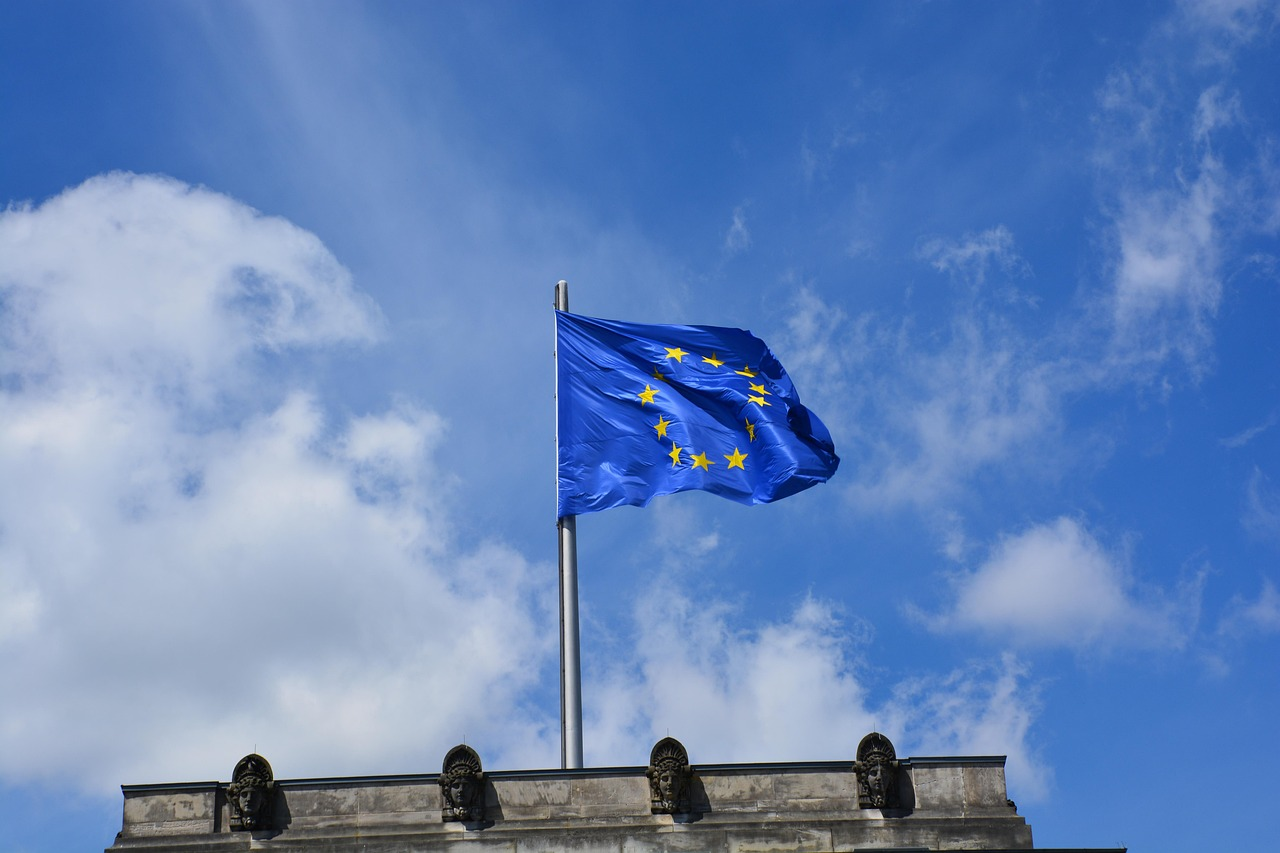
The General Data Protection Regulation (GDPR) applies to organizations around the world that collect or process the personal data of individuals in the European Union. For many businesses in the United States, meeting those requirements involves more than updating a privacy policy. It often requires changes to internal processes, data governance, consent management, security controls, vendor oversight, and the way personal information is handled throughout its lifecycle.
A wide range of U.S. companies now offer GDPR compliance services, although their approaches differ. Some specialize in privacy management platforms that automate consent, data mapping, and regulatory reporting. Others concentrate on cybersecurity, governance consulting, compliance audits, or legal and technical implementation. The companies below publicly provide GDPR-related services for organizations seeking to strengthen their privacy programs and align their operations with European data protection requirements.

Gilzor helps businesses in the USA strengthen GDPR compliance by building software with privacy requirements considered from the earliest planning stages. We work with startups, growing companies, and established organizations that need web applications, SaaS platforms, or custom software capable of handling personal data responsibly. Every project is designed around secure development practices, clearly structured data flows, and technical decisions that support regulatory obligations without disrupting day-to-day business operations.
We approach GDPR as part of the software development process rather than a separate compliance exercise. Our team assists with privacy-focused application architecture, secure authentication, access control, encrypted data handling, API development, cloud infrastructure, and ongoing software maintenance. By combining development, testing, DevOps, and long-term technical support, we help clients create digital products that are easier to manage, maintain, and adapt as privacy requirements evolve.


OneTrust centers its privacy platform around helping organizations operationalize GDPR across everyday business processes rather than treating compliance as a one-time project. The company brings together assessments, governance tools, and automated workflows that allow businesses to document how personal data is collected, processed, shared, and retained while aligning those activities with the regulation's core principles.
Instead of relying on manual spreadsheets and disconnected processes, the platform connects consent management, privacy impact assessments, records of processing activities (ROPA), vendor risk management, and data governance within a single environment. OneTrust also supports privacy-by-design practices, helping organizations embed GDPR requirements into new systems, monitor compliance over time, and demonstrate accountability through centralized documentation and reporting.

TrustArc starts with a basic GDPR question: what personal data does the organization process, and where does that data create risk? Its software records processing activities, maps personal information across the business, and gives privacy teams a clearer view of how GDPR obligations apply to specific systems, departments, and workflows.
From there, the platform helps turn regulatory duties into repeatable internal processes. Risk Profile evaluates privacy variables and recommends suitable assessments, including PIAs and DPIAs, while Individual Rights Manager handles access, deletion, correction, portability, and other requests from data subjects. The result is a structured privacy program built around evidence, documentation, and ongoing review.

Vanta is built for companies that do not want GDPR evidence scattered across spreadsheets, policy folders, and disconnected tools. Its system pulls compliance information directly from connected applications and keeps that evidence linked to the controls, risks, and privacy activities it supports.
A live Data Inventory sits at the center of the GDPR workflow. Teams can document processing purposes, legal bases, data categories, vendors, ROPAs, and DPIAs in one place, with updates reflected as the underlying systems change. Framework mapping also makes existing evidence reusable across GDPR and other compliance standards, reducing duplicate work for organizations managing several regulatory programs.
.webp)
DataGrail concentrates on the operational pressure points that usually make GDPR difficult: finding personal data, keeping records current, answering individual requests, and proving that high-risk processing has been reviewed. Its platform connects directly with business systems and vendors so privacy teams can work from live data rather than static inventories.
That system-level visibility feeds several GDPR functions at once. Data subject requests move through automated intake, identity verification, fulfillment, and tracking, while DPIAs can be populated with information already available in the platform. Risk decisions are stored in a centralized register, giving organizations a documented trail when regulators ask how a particular issue was identified and handled.

Osano places website privacy and consent at the front of its GDPR offering. The platform detects cookies and scripts, adjusts consent experiences according to a visitor’s jurisdiction, records user choices, and continues monitoring the site for privacy gaps after implementation.
Its wider toolset covers the work that happens beyond the consent banner. Subject rights requests can be managed through a centralized workflow, personal data stores can be discovered and classified, and privacy assessments can be completed with reusable templates. Osano also maintains privacy risk information on third-party vendors, helping businesses examine how external providers may affect their compliance position.

Schellman examines whether an organization’s actual privacy controls, procedures, and technologies align with GDPR requirements. Each engagement moves through a defined assessment cycle, beginning with scope and planning before progressing to evidence collection, control testing, and a tailored final report.
The work is assessment-led rather than software-led. Schellman’s specialists review the organization’s privacy environment, identify compliance gaps, and document where remediation is needed. This makes the company particularly relevant to U.S. businesses that already have privacy measures in place but need an independent view of how well those measures stand up against GDPR provisions.

RSI Security works from the consulting side of GDPR, guiding organizations from the first review of their data environment through control implementation and long-term compliance maintenance. The process begins by identifying personal data, processing activities, systems, and third-party relationships that fall within the regulation’s scope.
Policies, records, and technical safeguards are then addressed according to the gaps found. RSI Security assists with data-flow mapping, privacy procedures, access controls, encryption, vendor agreements, breach response, staff training, and readiness reviews. Regulatory support and recurring privacy assessments extend the engagement beyond initial preparation, making the service suitable for businesses that need continuing guidance rather than a standalone software product.

Kirkpatrick Price views GDPR through the lens of independent assurance. Rather than selling a privacy platform, the firm evaluates whether the controls an organization has already implemented genuinely protect personal data and satisfy regulatory expectations. Its audit practice covers GDPR alongside widely recognized security and compliance standards, giving businesses a single partner for multiple assurance requirements.
The firm's team carries out detailed examinations of security, governance, and operational controls before documenting the results in formal audit reports. That emphasis on verification makes KirkpatrickPrice well suited to organizations that need objective evidence of their compliance posture for customers, partners, or regulatory purposes instead of day-to-day privacy management software.

Protiviti builds privacy programs for organizations that need to meet evolving regulatory obligations across multiple jurisdictions, including GDPR. Instead of concentrating on a single compliance activity, the firm's consultants help establish the governance, operational processes, and organizational structure needed to support long-term privacy management.
Its work ranges from developing privacy strategies and global compliance roadmaps to handling data subject requests, internal assessments, third-party validation, and continuous monitoring. Protiviti also assists companies with privacy program optimization by connecting regulatory requirements with business processes, technology, and established privacy frameworks to create a more sustainable compliance model.
LogicGate organizes GDPR compliance around governance, risk, and internal controls rather than standalone privacy tasks. Its platform gives organizations a structured way to identify compliance obligations, assign responsibilities, document risks, and monitor remediation activities from a single workspace, making it easier to keep privacy programs aligned with day-to-day operations.
Instead of relying on disconnected spreadsheets and manual tracking, LogicGate allows compliance teams to build workflows for assessments, evidence collection, policy management, and regulatory reporting. GDPR requirements can be managed alongside other governance and security frameworks, helping organizations reuse controls, maintain visibility across compliance activities, and respond more efficiently as regulations or business processes change.

Drata is designed for organizations that need GDPR compliance to keep pace with rapidly changing cloud environments. Instead of repeatedly collecting evidence before every audit, the platform continuously monitors systems, records control status, and flags issues as they arise, allowing compliance teams to work from current information rather than periodic snapshots.
Automation extends across governance, risk, and compliance activities. Controls, policies, risks, and evidence are organized in one system, while integrations collect supporting documentation from connected services. GDPR requirements can also be mapped alongside other security and compliance frameworks, making it easier to manage overlapping obligations without duplicating work as the business grows.

Ketch treats GDPR as a set of business rules that should automatically follow personal data wherever it moves. The platform synchronizes consent choices, legal bases, and processing rules across connected systems, helping organizations apply privacy decisions consistently instead of managing them separately in each application.
Privacy operations are supported through data mapping, Records of Processing Activities (ROPA), data subject request workflows, and risk assessments. By keeping these functions connected, Ketch helps organizations maintain accurate compliance records while adapting to changing business processes and evolving privacy regulations.

Secureframe removes much of the manual work that usually accompanies GDPR compliance. The platform automatically gathers evidence from connected cloud services, checks security controls on an ongoing basis, and alerts teams when configurations drift away from compliance requirements, allowing organizations to maintain their privacy posture throughout the year instead of preparing only when an audit approaches.
The platform also includes GDPR policy templates, employee training, risk monitoring, and cloud infrastructure scanning within a single compliance environment. Organizations can reuse many of the same controls across additional frameworks, making Secureframe a practical choice for businesses that want to manage GDPR alongside standards such as SOC 2, ISO 27001, HIPAA, and PCI DSS without duplicating compliance efforts.

Mine organizes GDPR compliance around continuous visibility into personal data. The platform discovers where information is stored across cloud services and business applications, creating a centralized view that helps organizations understand what data they hold and why it is being processed.
That visibility supports the broader privacy program by feeding automated Records of Processing Activities, privacy impact assessments, consent management, and data subject request workflows. Because the information stays synchronized with connected systems, compliance documentation remains easier to maintain as infrastructure and business processes evolve.
GDPR compliance covers far more than publishing a privacy policy or adding a cookie banner to a website. Organizations need to understand what personal data they collect, why they process it, where it is stored, who can access it, and how they respond to requests from individuals. For many businesses, maintaining compliance also means documenting decisions, monitoring vendors, strengthening security controls, and reviewing privacy practices as systems and regulations evolve.
The companies in this list address those challenges from different perspectives. Some concentrate on privacy management platforms that automate consent, data mapping, Records of Processing Activities, and data subject requests. Others specialize in independent assessments, enterprise consulting, cybersecurity, or compliance audits that help organizations validate and improve their privacy programs. The right choice depends on your existing privacy maturity, internal resources, and whether you need software, advisory services, ongoing monitoring, or a combination of all three to support your GDPR compliance efforts.