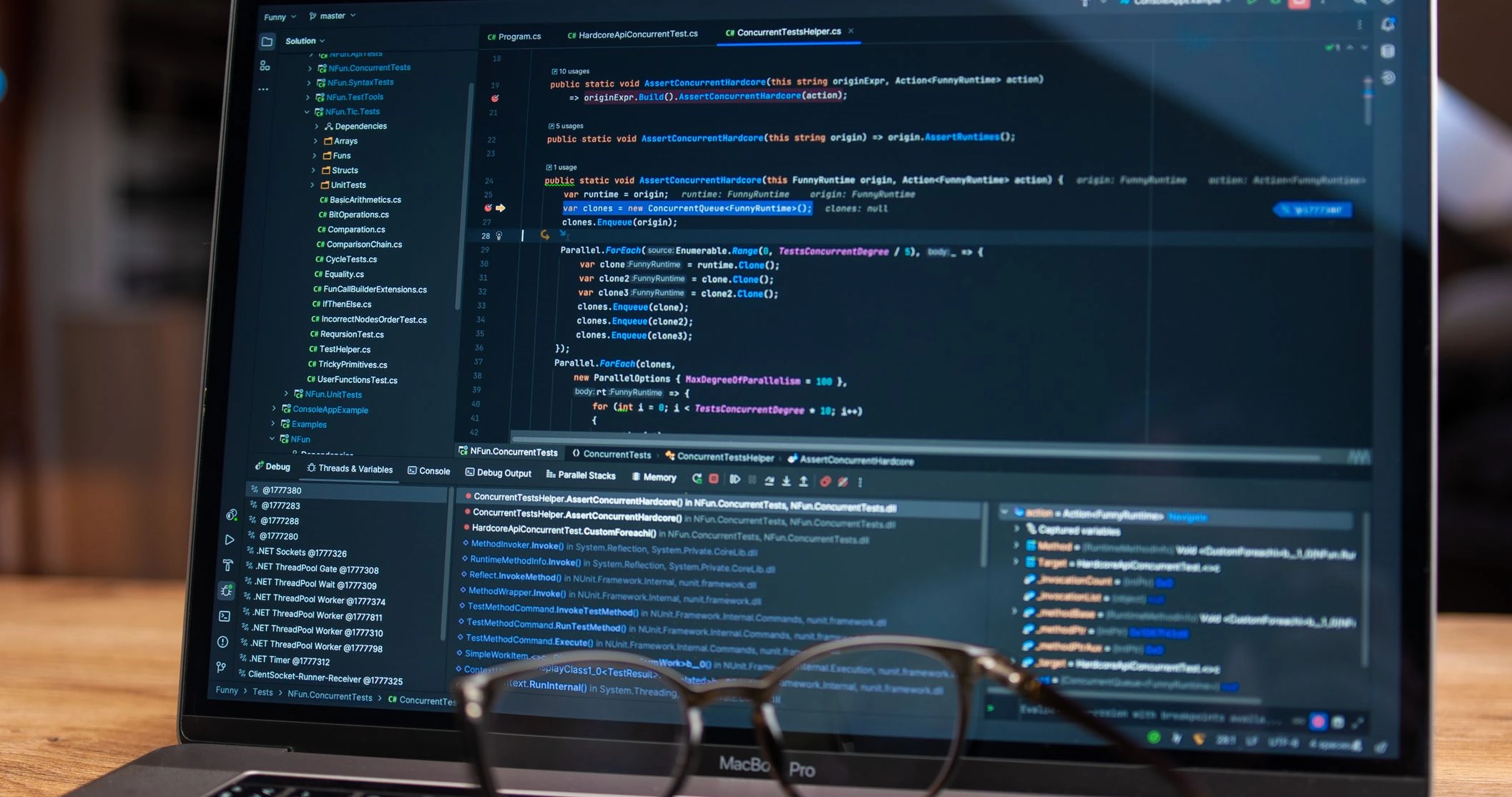
Website maintenance can range from routine CMS updates and backups to ongoing engineering for complex web applications. The companies below work with European businesses on post-launch support, security fixes, performance improvements, technical troubleshooting, and continued website development.

Gilzor provides website maintenance as part of its wider web and custom software development work. The team supports existing websites and digital products after launch, handling technical issues, updates, performance work, QA, and continued development. It can also take over products originally built by another development team.
This model makes sense for businesses whose maintenance needs go beyond updating plugins or replacing content. Development, design, testing, and product support can be brought into the same workflow when an existing website needs new functionality or structural changes.


Europe IT Outsourcing provides ongoing maintenance for websites and web applications alongside its development work. Its published support options cover backups, security, updates, minor improvements, and continued development after launch.
The company also offers webmastering services for businesses that need more routine attention. These plans include CMS and plugin updates, content publishing, security checks, performance optimization, and smaller code edits. This gives clients a choice between straightforward website upkeep and deeper development support.
Mobian Studio works on custom digital products and provides continued engineering support after release. Its maintenance work can involve web platforms, backend systems, APIs, integrations, cloud infrastructure, testing, and production updates rather than just surface-level website changes.
The studio is particularly relevant where an existing website forms part of a wider software product. Its engineering model covers legacy integrations and ongoing system improvements, which can help businesses that need to keep older components operational while gradually modernizing the product around them.

UK-based chilliapple provides website and application support with a particular emphasis on ecommerce. Its maintenance packages cover platform and module updates, PHP updates, downtime monitoring, development environments, security checks, and ongoing improvements.
The company supports platforms such as Magento and Shopify as well as WordPress sites. Development hours can also be used for design changes, new functionality, and module installation, so maintenance does not have to stop at keeping the current website operational.
Lengreo combines website development with hourly maintenance for WordPress and JavaScript projects. Ongoing work can cover technical corrections, security-related changes, migrations, domain configuration, performance checks, and adjustments to existing functionality.
Its development and marketing capabilities overlap in areas such as landing pages, SEO-related technical work, and conversion improvements. That can be useful for businesses where website maintenance is tied closely to active marketing rather than treated as a separate technical process.
OSKI Solutions offers dedicated maintenance and support services covering websites, applications, and production systems. Its website work includes CMS upgrades, plugin and dependency updates, security hardening, uptime support, and help for content editors.
The company also handles monitoring, incident response, performance tuning, release management, and security patching. Experience with technologies such as .NET, Umbraco, React, Node.js, AWS, and Azure gives OSKI scope to maintain websites where the CMS is only one part of a larger technical environment.
%20(7).webp)
SoftPro provides ongoing maintenance and support for web applications from its base in Warsaw. Its published web development offering includes regular updates, bug fixes, performance improvements, and proactive monitoring after an application has gone live.
The company works heavily with Microsoft technologies such as .NET, ASP.NET Core, and Azure while also covering modern frontend development. This makes its maintenance work particularly relevant to custom business applications and websites that depend on cloud services, APIs, databases, or bespoke backend functionality.
Soap Media has a dedicated website maintenance and support offering that combines proactive monitoring with reactive technical assistance. Its maintenance work includes software updates, security patching, backups, page-speed improvements, accessibility work, functionality changes, and ongoing optimization.
Businesses can use monthly or quarterly maintenance arrangements, and the agency also provides hosting and migration support. This setup is particularly relevant for companies that want their website maintained as an evolving marketing platform rather than simply patched when problems appear.
A-listware provides maintenance and support for applications, websites, cloud resources, and related infrastructure. Its application services cover scheduled updates, incident handling, performance tuning, system monitoring, root cause analysis, and ongoing engineering work.
The company's broader development capabilities include responsive web design, ecommerce website work, application testing, cybersecurity, and infrastructure services. This gives it a fairly wide maintenance scope for organizations where a public website is connected to business-critical applications or cloud environments.

Kuroit has a dedicated website maintenance service for UK businesses. Its maintenance packages cover content changes, design updates, WordPress plugin and theme work, website security, performance improvements, and general technical upkeep.
Rather than restricting support to websites the company originally developed, the service is positioned around keeping existing sites functional and current. Monthly plans give smaller businesses an option for predictable ongoing support without maintaining their own full-time web development team.

Net Devs supports enterprise web systems from its engineering base in Warsaw. Its work spans frontend and backend applications, APIs, testing, production deployment, and cloud platforms including Azure, AWS, and Google Cloud.
For maintenance projects, the company is better suited to custom websites and web applications than basic brochure sites. Senior engineers can continue development after production release, address technical problems, change infrastructure, and modernize sections of an existing system while keeping the rest operational.

Andersen provides formal application maintenance and support across L1, L2, and L3 support levels. Its work includes monitoring, incident handling, infrastructure troubleshooting, code-level fixes, patch management, release support, performance work, and SLA management.
The company also offers dedicated web application development and modernization, so maintenance can extend into larger technical changes when an existing platform starts accumulating technical debt. Its approach is particularly relevant to organizations that require ongoing monitoring and documented support processes rather than occasional developer availability.

Itexus includes website support and maintenance directly within its web development offering. The team handles post-delivery maintenance designed to keep websites stable, secure, and performant, with both regular and on-demand support available.
Maintenance can involve security updates, issue prevention, bug fixing, performance optimization, and requested website changes. Its web development process also covers hosting selection, production environments, DNS, CDN configuration, testing, and third-party integrations, giving the company scope to address problems outside the visible frontend.

Fhoke works on bespoke websites and web applications, with continued application support available after the initial development stage. Its capabilities include backend development, APIs, system integrations, SaaS projects, and ongoing feature work.
This makes the agency relevant when maintenance means continuing to develop a custom platform rather than simply keeping a CMS updated. Existing applications can be improved through dependency updates, security work, performance changes, and additional features as requirements develop.
DEVEIT develops web products and provides continued technical work for existing applications. Its support model can cover bug fixes, frontend and backend changes, infrastructure work, testing, and gradual improvements after a product reaches production.
The company is more relevant to businesses maintaining custom web applications than organizations looking only for content updates. Continued engineering allows existing platforms to evolve without treating every new requirement as a separate rebuild, which is useful for SaaS products, portals, and other websites with substantial application logic.
Website maintenance is easier to manage when the provider can handle more than routine updates. Security fixes, performance issues, broken integrations, CMS changes, hosting problems, and new feature requests often overlap, especially as a site grows.
For businesses in Europe, the right choice depends on how complex the website is and how much ongoing technical work it needs. A simple business site may only require regular updates and monitoring, while a custom platform or ecommerce project can benefit from continuous development, testing, infrastructure support, and faster issue resolution. The most practical approach is to compare providers based on the kind of maintenance they actually handle, the technologies they support, and whether their service model fits the website's long-term needs.