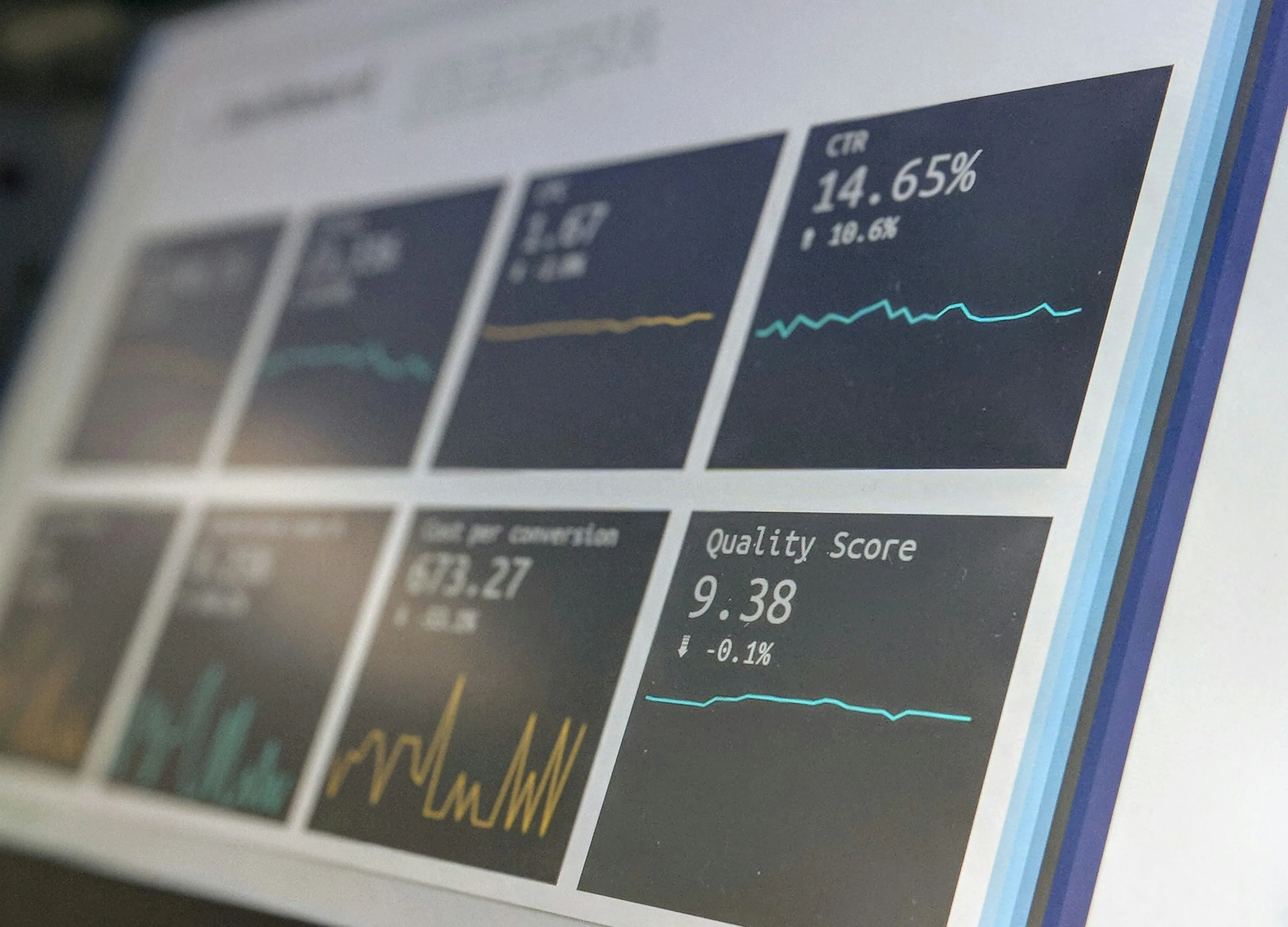
App monetization optimization can involve much more than adding ads or choosing a subscription price. Product teams may need paywall experimentation, pricing tests, retention analysis, subscription infrastructure, payment integrations, UX improvements, or engineering work around revenue-critical flows. This guide compares companies with different approaches, from dedicated mobile growth and subscription specialists to software engineering teams that can implement and improve monetization functionality inside existing apps.

Gilzor works with mobile products where revenue performance is tied closely to the condition of the app itself. Its mobile app audit examines product health, critical user flows, subscriptions, checkout, retention, conversion, crash data, and technical risks before engineering resources are committed to another round of changes. The company also offers product development and explicitly includes monetization strategy refinement among its services for product companies.
This approach is particularly relevant when falling revenue cannot be separated neatly from UX or engineering problems. Gilzor can investigate subscription cancellations, checkout friction, declining conversion, unstable releases, and weak retention, then continue into development when technical changes are needed. Its published work also includes marketplace monetization functionality and subscription applications.


SplitMetrics combines app growth consulting with monetization and retention optimization. Its agency services cover onboarding, monetization strategy, LTV and ARPU improvement, acquisition, and recommendations based on app performance data. The company also works directly on paywall optimization for subscription products.
One published project involved redesigning and A/B testing subscription paywalls with RevenueCat. Changes to layout, messaging, imagery, and positioning improved conversion and subscription metrics, showing a practical experimentation model rather than a purely advisory service. SplitMetrics also connects acquisition data with subscription revenue, which can help teams understand whether higher conversion translates into healthier LTV and ROAS.
A-listware is a software development company rather than a dedicated subscription growth consultancy, but its mobile development material covers monetization models including subscriptions, freemium access, advertising, and in-app purchases. Its published guidance also treats monetization planning as an early product decision rather than something added after development.
The company's relevance is therefore strongest for teams that already know what revenue model they want to test and need engineering, UX, QA, or product development resources to implement it. Its mobile work can support the technical side of premium features, billing-related functionality, user journeys, and continued app improvements rather than serving as a specialist paywall optimization agency.

Phiture has a dedicated subscription optimization practice focused on increasing subscriber volume and lifetime value. Its work covers the subscription lifecycle from acquisition and activation through conversion, pricing, CRM, engagement, retention, and churn prevention.
A major part of the approach is experimentation. Phiture works on conversion optimization, price testing, paywall strategy, measurement frameworks, and retention initiatives rather than isolating monetization from the rest of mobile growth. Its Subscription Stack framework is designed around the idea that paywalls, pricing, acquisition quality, subscriber engagement, and churn all influence revenue performance together.

OSKI Solutions handles custom mobile development, UX/UI, testing, modernization, integration, maintenance, and product scaling. Its process begins with discovery around users, workflows, platforms, and integrations, followed by design, engineering, QA, deployment, and continued support.
For monetization projects, OSKI Solutions is better viewed as an implementation and product engineering partner than a specialized revenue consultancy. Its broader product capabilities can be relevant when optimization requires rebuilding onboarding, adding paid functionality, changing customer journeys, integrating external systems, instrumenting analytics, or modernizing an app so revenue experiments can be delivered more reliably.

AppAgent has a dedicated Revenue Program for mobile games and apps. Its work goes beyond campaign acquisition metrics and examines LTV, CPI, ROAS, retention, monetization performance, pricing, offers, payback periods, and profitability.
The company is particularly relevant to mobile game teams because it also addresses ad monetization. Its material covers topics such as eCPM management, ad waterfalls, fill rates, and monetization structures, while the broader Revenue Program connects those decisions with player value and acquisition economics. This makes AppAgent useful when a team needs to understand how user acquisition and monetization affect each other rather than optimizing them independently.
21Century.Tech operates as an AI-native software studio built around senior-led product engineering. Its public service model covers MVP development, full-stack feature delivery, third-party integrations, refactoring, testing, CI/CD, and production deployment.
Its fit with app monetization optimization is on the engineering side. Teams that have already identified revenue experiments or commercial features can use this type of development model to ship pricing-related functionality, integrations, premium product features, experiment infrastructure, or changes to existing user journeys.

Superwall combines subscription monetization software with managed growth services. Its team can audit existing paywalls, create an experimentation roadmap, design new paywalls, run pricing and offer tests, analyze results, and repeat the process continuously.
The platform itself supports paywall building, audience targeting, A/B testing, revenue attribution, analytics, surveys, placements, and subscription management. In July 2026, Superwall acquired Tangent, bringing Tangent's monetization consulting team into its managed services operation. This gives subscription apps access to both experimentation infrastructure and hands-on monetization specialists.

Itexus primarily works in fintech, where monetization often depends on payment infrastructure, transaction flows, premium financial functionality, onboarding, and customer-facing mobile products. Its services cover fintech mobile apps, product discovery, UX/UI, integrations, application audits, performance improvements, and ongoing product development.
The company has experience building digital wallets, mobile banking applications, investment products, trading interfaces, account funding workflows, and payment integrations including Stripe, Adyen, and PayPal. A published personal finance app project also included a revenue model based on user fees and future monetization functionality.

Mobian develops and scales mobile products across iOS, Android, and Flutter, supported by backend, API, cloud, and QA capabilities. The company also works with payment flows and provides post-launch performance monitoring and scale planning.
For monetization optimization, Mobian fits projects where changes require engineering rather than only analysis. Examples include implementing payment-related flows, rebuilding onboarding or premium features, connecting monetization services to a backend, improving app performance around purchase journeys, or expanding an existing product after initial validation. Its published app monetization material also discusses advertising, subscriptions, and in-app purchase models.

RevenueCat provides subscription infrastructure and growth tools for apps across iOS, Android, and the web. Its platform handles purchases, entitlements, subscription data, paywalls, pricing configuration, targeting, analytics, and experimentation.
For monetization optimization, product teams can build targeted paywalls, test pricing and packaging, analyze full-funnel performance, and connect marketing campaigns with actual subscription revenue. RevenueCat also supports churn reduction through subscription-management interfaces and targeted promotional offers. Its web functionality adds another option for teams exploring web-to-app funnels and alternative pricing structures.
.webp)
net-devs focuses on enterprise software development using senior engineers and AI-assisted delivery. Its capabilities include discovery, prototyping, modern front-end development, cloud architecture, testing, deployment, and continuous iteration after launch.
Its connection to monetization optimization is primarily technical. An app team with a defined revenue hypothesis may need engineering support to modify product flows, build experimentation infrastructure, connect third-party platforms, improve performance, or implement new commercial functionality. net-devs can support that development layer, although its public positioning is broader enterprise engineering rather than dedicated subscription or mobile revenue consulting.

Yodel Mobile works specifically in the mobile app growth market, connecting acquisition, retention, engagement, and commercial performance. Its subscription-app material covers the relationship between free trials, paid conversion, recurring revenue, and the timing of subscription offers.
That lifecycle orientation makes it relevant when the monetization problem is not purely technical. Teams can use a mobile growth partner to examine where paid users come from, how onboarding affects conversion, which engagement patterns support renewals, and where subscription messaging should enter the customer journey.
%20(7).webp)
SoftPro provides custom software, web application, cloud, AI, modernization, and long-term development services. Its published portfolio includes SaaS products, customer-facing platforms, a social commerce product, and other applications where revenue-generating workflows can form part of a wider system.
For app monetization work, its strongest fit is implementation rather than specialist revenue consulting. Product teams can use SoftPro when monetization improvements depend on rebuilding application logic, connecting frontend and backend components, developing commerce functionality, improving scalability, or supporting a product after new commercial features go live. Its current public service offering is centered more heavily on web, cloud, and custom software than on dedicated mobile subscription optimization.
App monetization optimization rarely comes down to a single tactic. Stronger revenue performance can depend on pricing, paywalls, subscriptions, in-app purchases, advertising, onboarding, retention, analytics, and the technical quality of the product itself.
The companies in this guide approach those challenges from different directions. Some focus closely on subscription growth, paywall testing, LTV, and lifecycle optimization, while others provide the engineering support needed to build payment flows, premium features, experimentation systems, and other revenue-related functionality. The right fit depends largely on where the main monetization bottleneck sits, whether that is strategy, conversion, retention, acquisition, infrastructure, or product implementation.