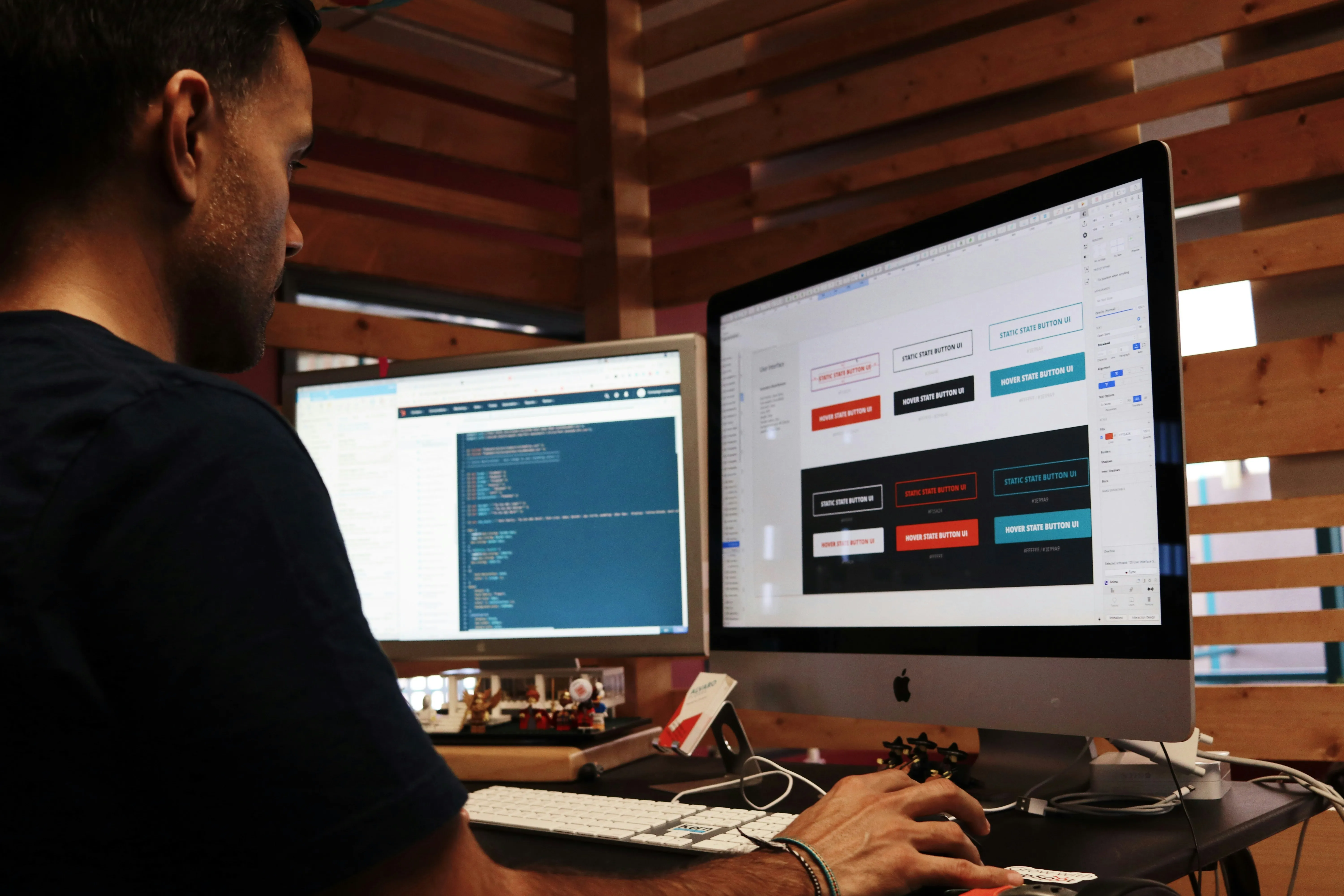
App onboarding optimization focuses on the first interactions that move a new user from signup to meaningful product value. Strong onboarding work often combines user research, clearer information architecture, shorter registration flows, usability testing, personalization, and ongoing analysis after launch. For mobile and SaaS products, the work may also involve redesigning permissions, empty states, product tours, account setup, and early feature discovery. The right approach depends on where users abandon the journey and what actions are most closely connected with activation and continued use.

Gilzor works on mobile and digital products that need improvements across UX, performance, QA, and post-launch product development. Its mobile optimization work includes reviewing existing functionality, resolving UI/UX issues, improving application structure, testing across devices, and making changes based on product requirements and user feedback. The company also provides business analysis and product design, which can be useful when onboarding problems go beyond individual screens and involve the broader first-time user journey.


Goji Labs has a dedicated onboarding optimization offering for products that attract users but lose them before activation. Its process is aimed at examining the early product journey, identifying friction, and redesigning the experience so users reach useful product functionality sooner. The company combines this work with UX/UI design, product strategy, mobile development, and ongoing improvement based on real product data. This makes it relevant to both consumer applications with weak early retention and SaaS products struggling with trial activation.

OSKI Solutions handles mobile UI/UX as part of a broader product engineering process. Its design work covers UX research, user flows, wireframes, interactive prototypes, interface design, accessibility, and reusable design systems. Because the same delivery model also covers mobile engineering, backend APIs, authentication, QA, and post-launch improvements, onboarding changes can move from prototype into a functioning application without a separate implementation vendor.

Ramotion has direct experience redesigning mobile onboarding and activation flows. In its work for Tile, the agency analyzed the activation experience across iOS and Android and redesigned the interface around a clearer activation process. Ramotion also documents onboarding work for digital banking products and provides UX design, product discovery, redesign, and design-system services. That background makes the company particularly relevant when onboarding requires focused UX work rather than a general visual refresh.
A-listware provides mobile design and development for Android, iOS, and other mobile environments. Its mobile design service explicitly focuses on user-friendly interfaces and intuitive UX intended to support adoption, engagement, and conversion. The company can also handle product design, mobile consulting, engineering, and later technical support, making it suitable when changes to onboarding affect both interface decisions and application functionality.
Eleken focuses on SaaS UX and has substantial published work around onboarding design, product-led onboarding, activation, and reducing early user friction. Its designers work with patterns such as progressive disclosure, personalized onboarding, checklists, product tours, signup improvements, empty states, and guided first actions. The company also offers UX audits, product redesign, design systems, consulting, and dedicated design support for existing SaaS teams.
.webp)
net-devs is most relevant when onboarding optimization is tied to a wider enterprise web application or front-end implementation project. Its process includes requirements discovery, wireframes, prototypes, modern front-end development with React, Angular, and Vue, testing, deployment, and continued iteration after release. This gives product teams an engineering option for turning an already identified onboarding problem into production changes, especially where the onboarding experience sits inside a larger enterprise system.

Arounda works directly with onboarding flows as part of mobile and digital product design. Its published projects include registration optimization, onboarding logic, step-by-step setup, biometric verification, and user flows designed to reduce unnecessary decisions for first-time users. The company typically combines discovery, UX audits, architecture, wireframes, UI design, and design systems, which makes it useful for teams that need to rethink the structure of onboarding rather than simply update its visual treatment.

Itexus combines mobile application development with UI/UX design, usability audits, usage analytics, prototyping, and A/B testing. Its design teams can examine user behavior in an existing product, identify UX gaps, and propose changes rather than limiting the engagement to new interface production. Mobile design is available for iOS, Android, and cross-platform products, while full-cycle engineering can carry redesigned onboarding flows into production.

Cieden provides UX consulting and app redesign services with direct experience improving onboarding. Its web-app design work includes user testing, feedback loops, A/B testing, heatmaps, session recordings, interactive walkthroughs, progressive feature introduction, and personalized onboarding flows. The company has also published project work involving simplified onboarding and UX optimization for established software products. This approach fits teams that want to investigate where onboarding breaks before committing to interface changes.
Mobian develops mobile products for iOS, Android, and Flutter as part of its end-to-end engineering work. Projects can begin with wireframes and continue through mobile development, backend services, APIs, QA, deployment, and post-launch support. For onboarding optimization, its strongest fit is implementation-heavy work where updated first-time flows need to be integrated into a broader mobile product and maintained as the application continues to evolve.

Netguru combines user research, product design, and software delivery, with documented work specifically focused on improving onboarding and activation. In its work with Booksy, the team analyzed behavior during a two-week trial, identified onboarding friction, and redesigned registration and setup experiences to help users discover the platform's wider value earlier. Netguru also supports mobile UX, prototyping, product discovery, and application development for products that need design and engineering in one engagement.
%20(7).webp)
SoftPro is a broader software engineering provider rather than a dedicated onboarding consultancy. Its web application services include interface development, responsive front-end work, design, deployment, and continued support, making it more suitable when onboarding improvements need to be implemented within an existing web application or SaaS product. The company works with React and other front-end technologies alongside backend and Microsoft-stack development.
Droids On Roids develops mobile products and supports UX research, interface design, engineering, testing, launch, and later product development. Its CCC mobile commerce project specifically included guiding users through the onboarding process as one of the UX goals. The company can therefore support onboarding work that needs to be designed within the context of a full iOS or Android product rather than treated as a separate sequence of introductory screens.
21century.tech fits a narrower part of app onboarding optimization: engineering implementation after product teams already know what they want to change. The studio accepts requirements in forms such as product specifications and Figma designs, then handles architecture, coding, testing, documentation, and deployment. It is therefore more relevant to teams with validated onboarding designs or experiments that need to be shipped as working application features than to businesses looking for standalone UX research or onboarding strategy.
Effective app onboarding optimization starts with understanding where users lose momentum and what first action demonstrates real product value. Shorter flows are not automatically better if they remove necessary context, just as adding tours and tooltips rarely solves a confusing product structure on its own. Strong onboarding work combines behavioral evidence, clear UX decisions, careful implementation, and measurement after release. Mobile products may also need to account for permissions, authentication, compliance requirements, device conventions, and performance during the first session. As products evolve, onboarding works best as an ongoing part of product optimization rather than a one-time design task.